Since its founding in 2005 in the Democratic Republic of Congo, SAVE CONGO has helped vulnerable persons meet their emergency needs and provided them with development support to rebuild their lives.
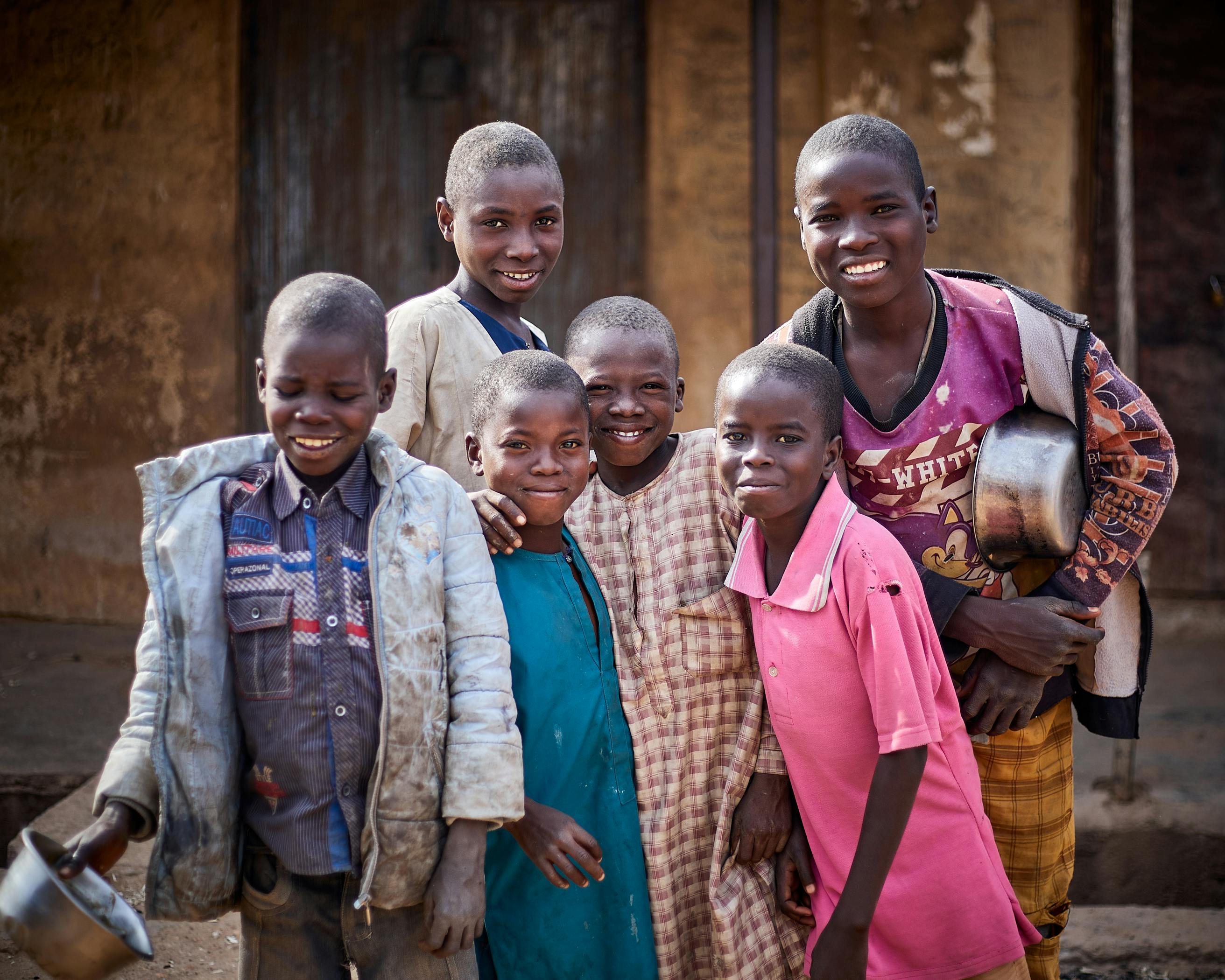
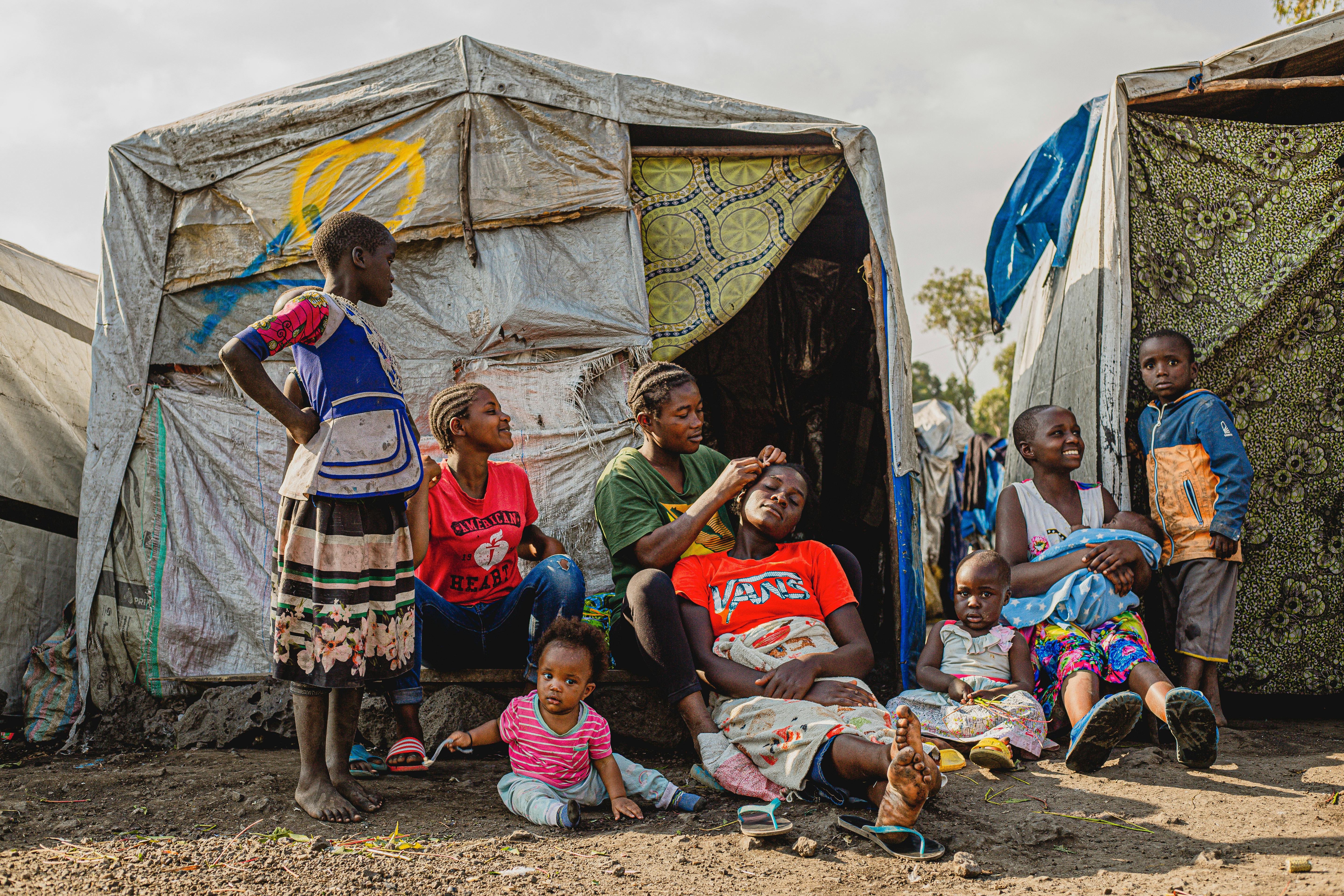
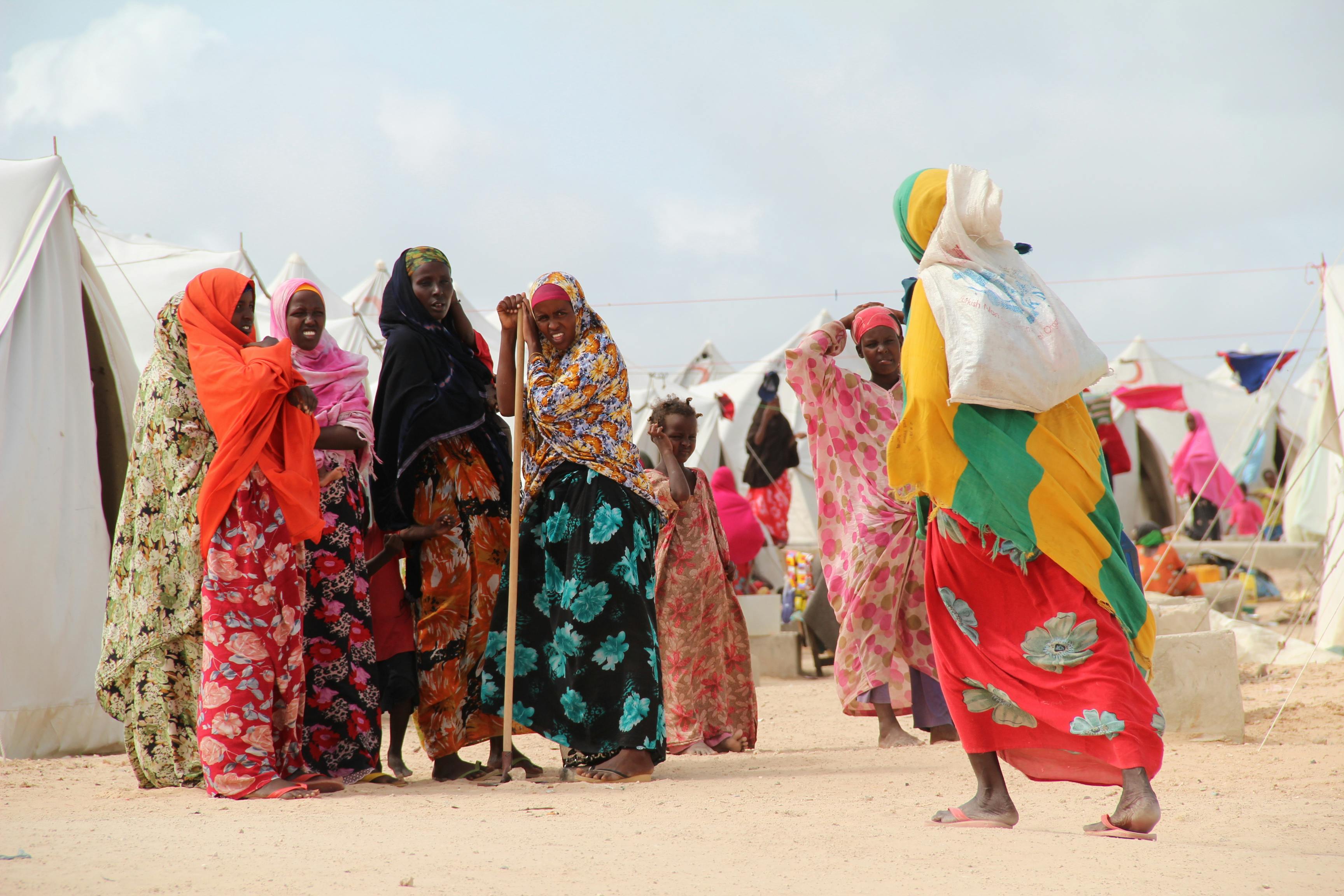
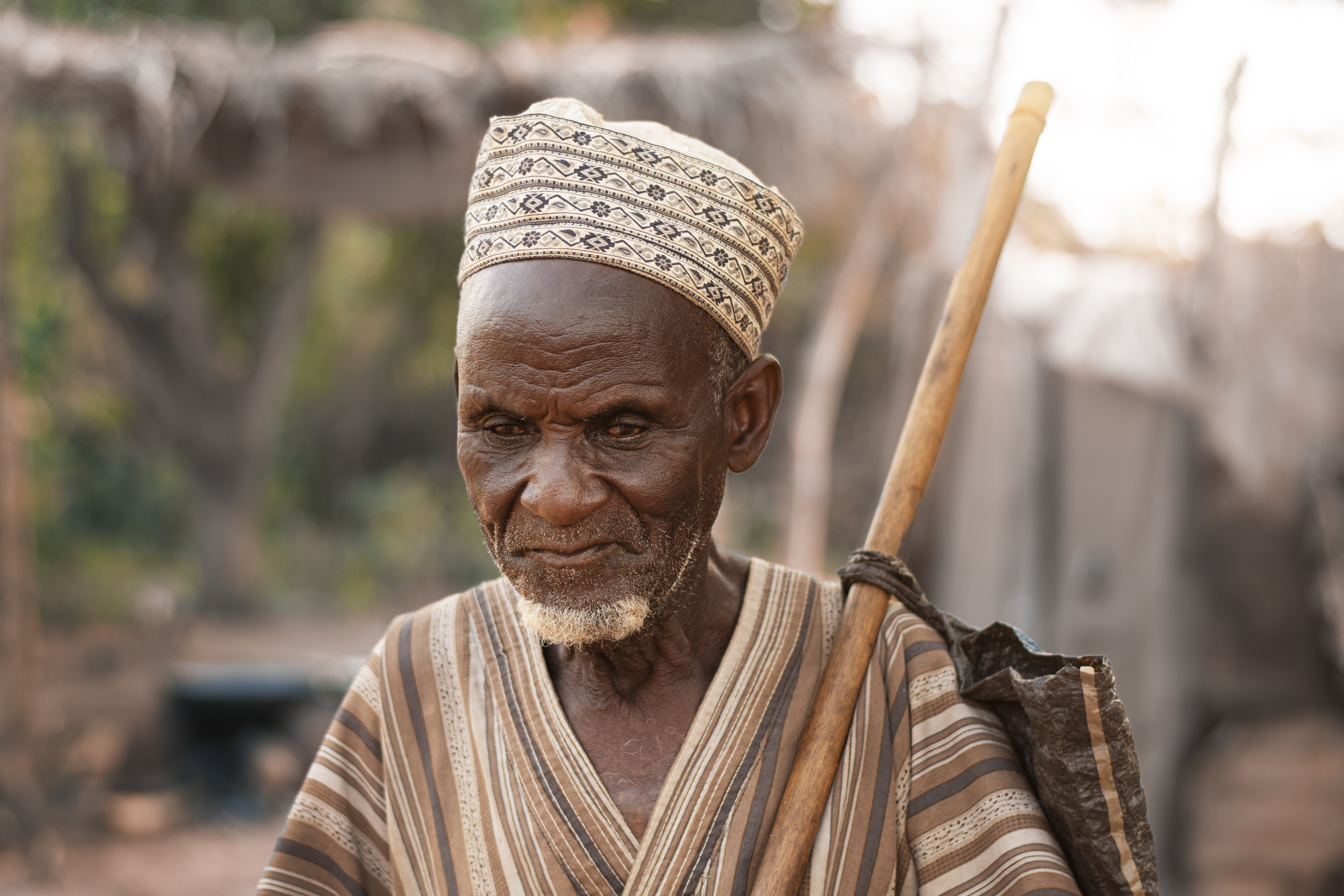
Through an integrated multisectoral approach we've provided direct-access support to more than 50,000 most vulnerable people in the Democratic Republic of Congo including abandoned children, malnourished pregnant and breastfeeding women, survivors of sexual and gender-based violence, Indigenous Peoples, Internally Displaced Persons, refugees, victims of torture and other cruel and inhuman treatment, people living with disabilities and old persons.
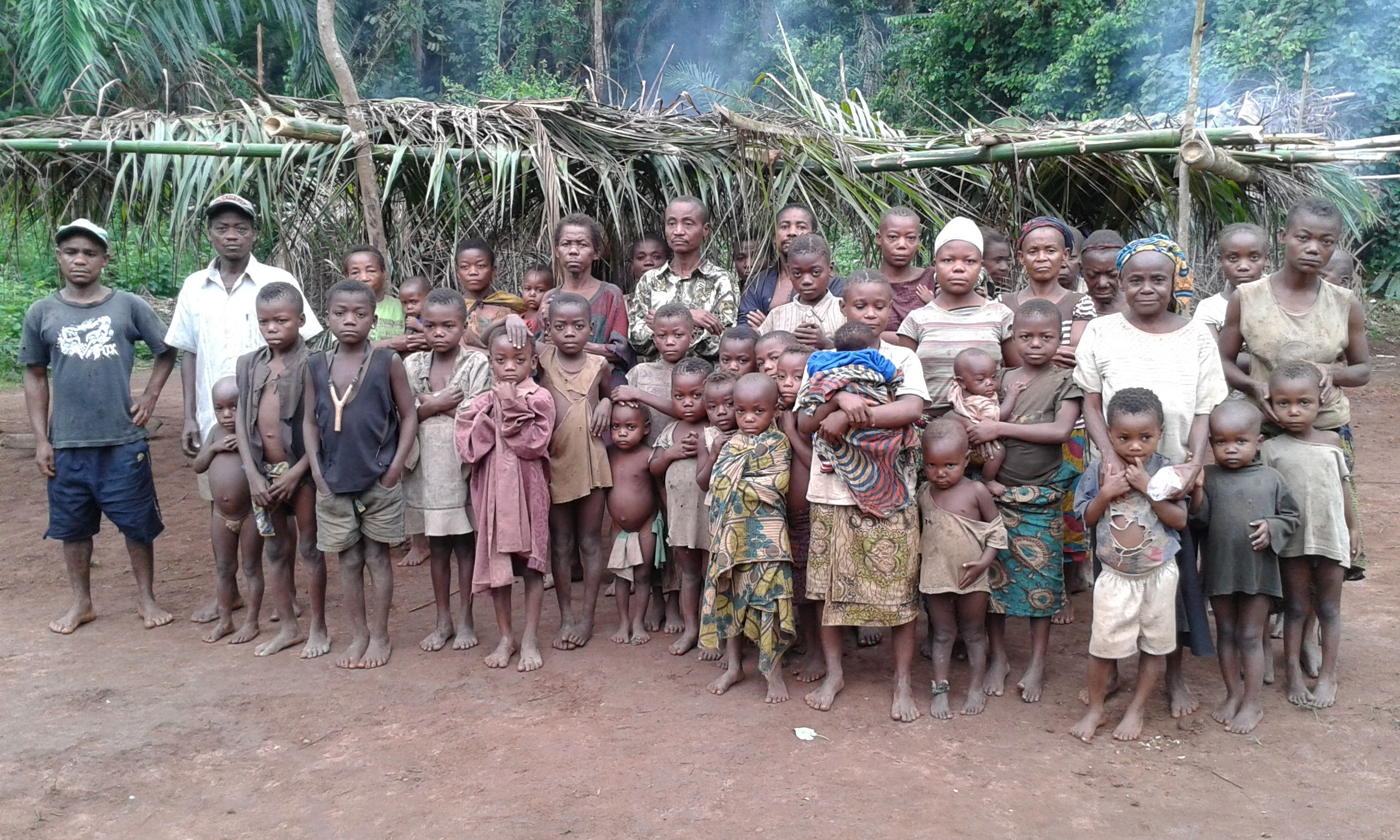
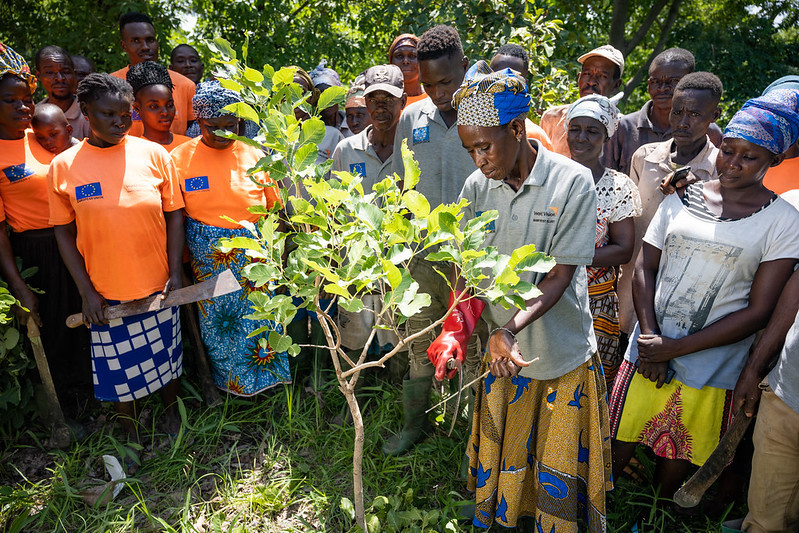
To foster peace and harmonious coexistence, SAVE CONGO conducted community sensitization for Indigenous peoples in Tanganyika Province, particularly the Batwa communities in Manono, Nyunzu, and surrounding areas. These activities were made possible thanks to the generous support of BMZ, ECHO, and FHRDC, following intercommunal conflicts that had caused massive population displacements in the region. While these interventions are crucial for peacebuilding and social cohesion, sustainable development of Indigenous peoples requires additional efforts including access to education, healthcare, land rights protection, income-generating opportunities, and participatory governance.