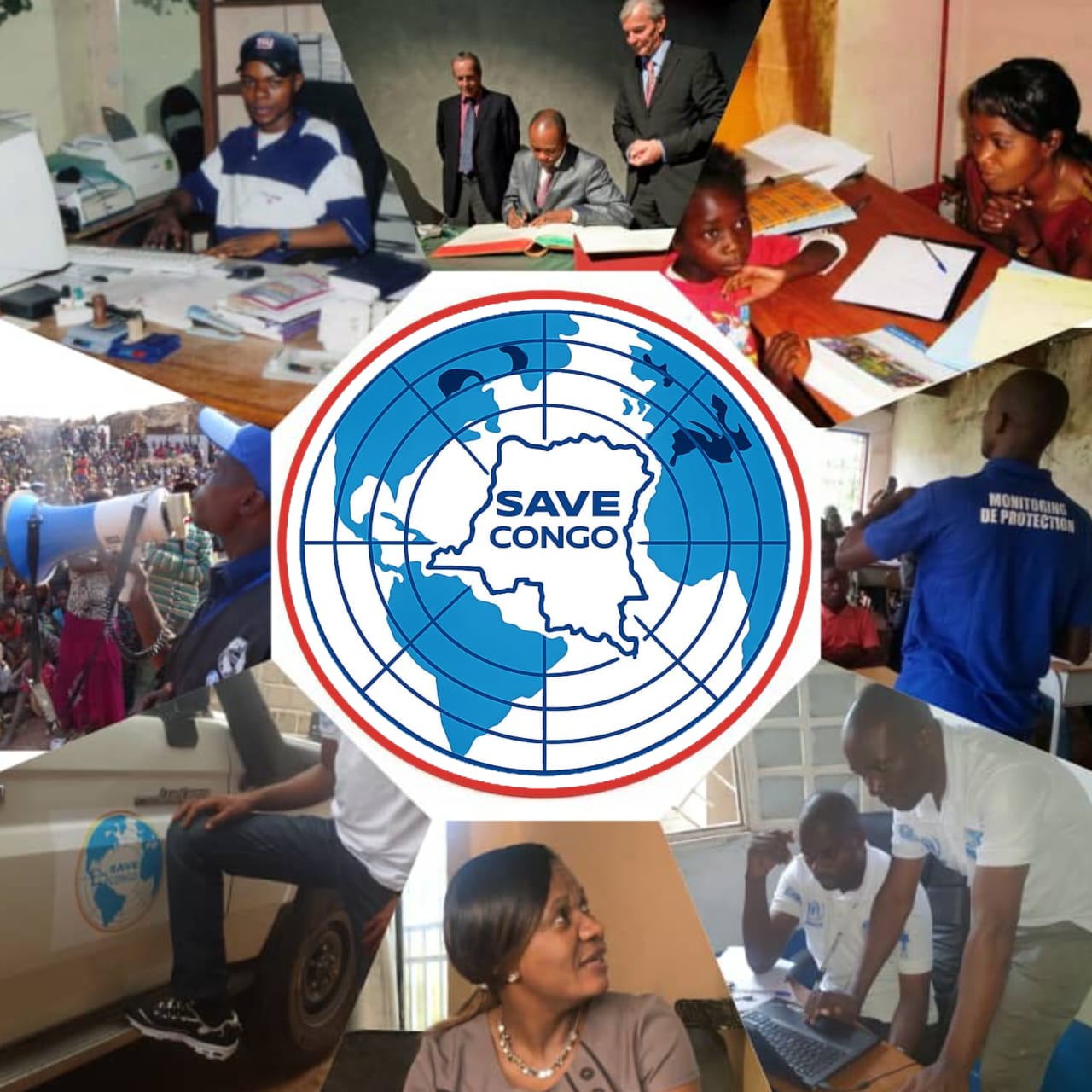
SAVE CONGO was established on 25 May 2005 in the Democratic Republic of the Congo (DRC), in response to prolonged political instability, regional armed conflicts, widespread violence, mass displacement, and systematic human rights violations, including conflict-related sexual violence. The organization is legally registered in the DRC with the relevant national authorities including the Ministry of Justice and Human Rights (No. F92/13.536), the Ministry of Finance (No. A1816274K), and the Ministry of Planning (No. 011/MP/APP/TANG/CMM). SAVE CONGO is also registered in key international systems, including the United States Government’s System for Award Management (SAM), the United Nations Partner Portal (UNPP), the United Nations Global Marketplace (UNGM), OCHA Pooled Funds One Global Management System (OneGMS), and the EU Potential Applicant Data Online Registration (PADOR).
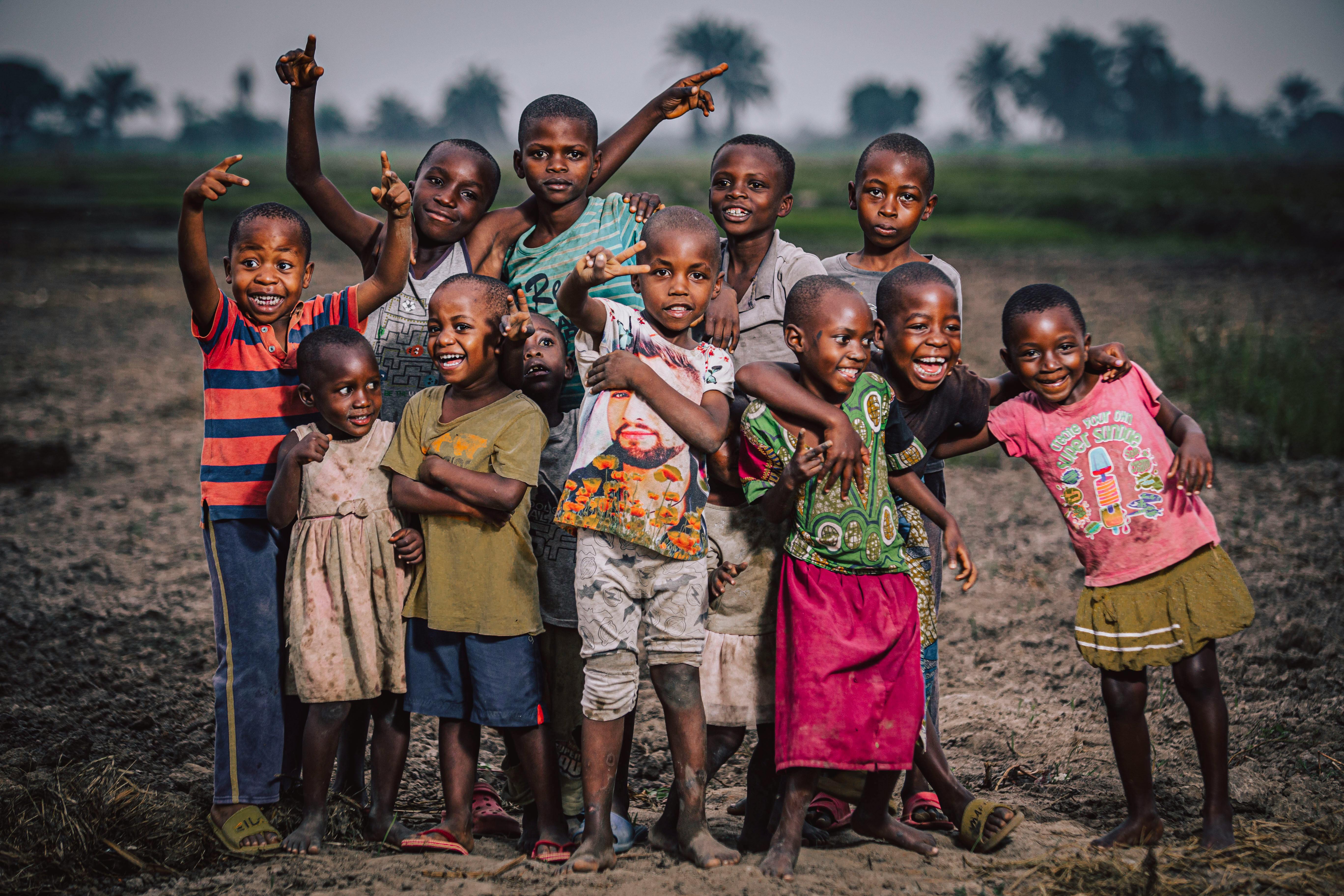
In the DRC, violence is the cornerstone in building a culture of Peace. In all areas of the country, the human rights record remained considerably poor, and numerous serious abuses were committed including facing severe land and forest degradation, as well as water pollution, due to waste, unsustainable farming and mining practices. Unlawful killings, disappearances, torture, rape, and arbitrary arrest and detention. Harsh and life-threatening conditions in many areas; lack of an independent and effective judiciary; and arbitrary interference with privacy, family, and home; malnutrition and inter-community conflicts remained serious problems. Decades of armed violence, yet ongoing, have left Democratic Republic of the Congo extremely vulnerable. A low level of development, the trauma of violence, areas geographically difficult to access, and recurrent communicable disease outbreaks, all compound the country's people needs.
We first began working in sensitizing communities against violence in Kasaï province and providing humanitarian aid to those affected by violence and uprooted from their homes in Haut-Katanga province. Since 2005, we work with local communities to strengthen education, improve health and promote the development of the most vulnerable people throughout the Democratic Republic of Congo.